Unboxing Innovation: How Video Displays Transform Customer Experience
Video display reduces decision friction
One of the biggest challenges in modern retail is information overload. Customers are surrounded by product claims, promotions, and competing messages. A well-placed video display can simplify that environment by showing how a product works, what problem it solves, and why it is relevant in a matter of seconds. That makes it especially effective in categories where visual explanation matters more than written specification. This aligns with Deloitte’s view that retailers are investing in smarter, more individualized interaction rather than relying on broad, undifferentiated messaging.
It changes how physical space performs
NRF’s 2025 retail analysis points to a clear trend: physical retail spaces are being redefined as places for trust-building, brand identity, and memorable interaction. In that context, video displays help stores work harder. They turn shelves, counters, and waiting areas into communication points rather than passive fixtures. The result is not simply “more screens,” but a more active role for visual content inside the customer journey.
Why unboxing logic now extends beyond packaging
Presentation has become part of the product experience
The idea of “unboxing” used to be associated mainly with e-commerce packaging. Today, it has become a wider business concept. Adobe reports that packaging design, presentation, and personal touches influence trust, loyalty, and willingness to recommend or repurchase. That suggests customers increasingly judge value through presentation, not just through product performance alone.
Video extends that experience into retail and display
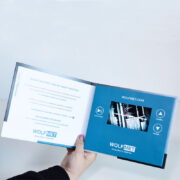
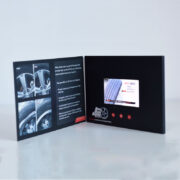
This is where video display becomes especially relevant. It brings the same logic of unboxing into physical environments by making presentation more dynamic and emotionally engaging. Instead of waiting until the product is opened at home, brands can create a richer “first encounter” in-store or at the point of presentation. In practical terms, that means stronger product education, clearer brand cues, and a better chance of being remembered.
Where video display creates the most value
Product launches
For new products, customers often need fast context. A short video loop can communicate the core use case more clearly than static display language alone.
Premium retail environments
In higher-value categories, presentation quality shapes brand perception. Video helps reinforce a more polished and contemporary image.
Queue and dwell-time spaces
When customers are waiting, screens can turn idle time into useful attention, especially for education, storytelling, or cross-selling.
Omnichannel retail touchpoints
As retailers invest more in connected experiences, digital signage and video display systems help bridge online messaging with in-store presentation. That is consistent with current retail reporting emphasizing omnichannel capability and experience-led formats.
Final view
The real value of video display is not novelty. It is clarity, atmosphere, and memory.
In a market where physical stores are being asked to do more, screens are becoming strategic tools for customer engagement rather than background technology. When video is used to reduce friction, improve presentation, and support more immersive retail experiences, it can transform customer experience in ways that static formats increasingly cannot.