
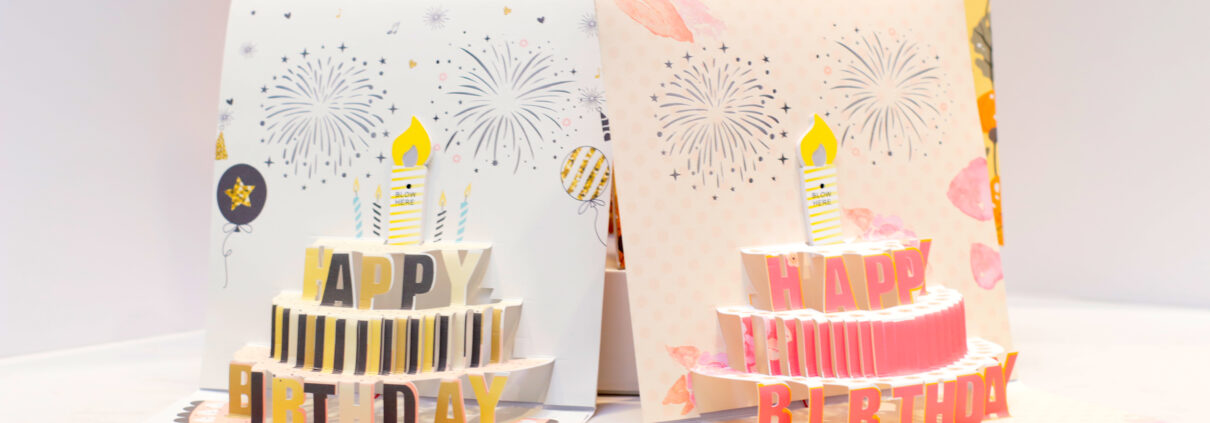
How Musical Cards Turn Simple Greetings into Memorable Brand Moments
Some messages are better heard than read. In a world full of digital notifications and scrolling screens, musical greeting cards bring something refreshingly different—a moment of sound, surprise, and emotion. For brands looking to connect with customers on a deeper level, these interactive cards offer a simple yet powerful way to stand out.
The Emotional Power of Sound
Music has a unique ability to trigger emotions instantly. When a card opens and a melody begins to play, it transforms a standard greeting into an experience.
For recipients, this moment often feels:
-
Personal
-
Unexpected
-
Joyful
For brands, it creates a memorable interaction that lasts far longer than a traditional printed message.
Why Brands Use Musical Cards
Musical cards are increasingly used in marketing campaigns and customer engagement strategies because they combine creativity with emotional impact.
Brands often use them for:
-
Holiday campaigns and seasonal greetings
-
Customer appreciation programs
-
Product launches and promotional events
-
VIP gifting and direct mail campaigns
The addition of sound helps brands create moments that people remember—and often share.
A Small Format with Big Marketing Value
Despite their compact size, musical cards deliver significant marketing advantages:
-
They capture attention immediately
-
They encourage interaction
-
They reinforce brand personality
Unlike standard promotional materials, musical cards invite the recipient to pause and enjoy the experience.
Designed for Custom Brand Storytelling
Modern musical cards can be fully customized with brand graphics, messaging, and audio content. From cheerful melodies to voice recordings or branded music, the possibilities allow brands to communicate their message in a way that feels authentic and engaging.
Musical cards prove that even the smallest details can create meaningful brand connections. By combining sound, design, and emotion, they help brands spread joy while making their message truly unforgettable.